General information
Additional information that we would like you to know
What are standards that we should know
General information for KINSEI
KINSEI has advanced technology than general medical waste incinerator. The incineration is safer method than autoclave, sterilization and melting. General incinerator is high operational cost and generated pollution. KINSEI incinerator is low cost, friendly environment, and small size.
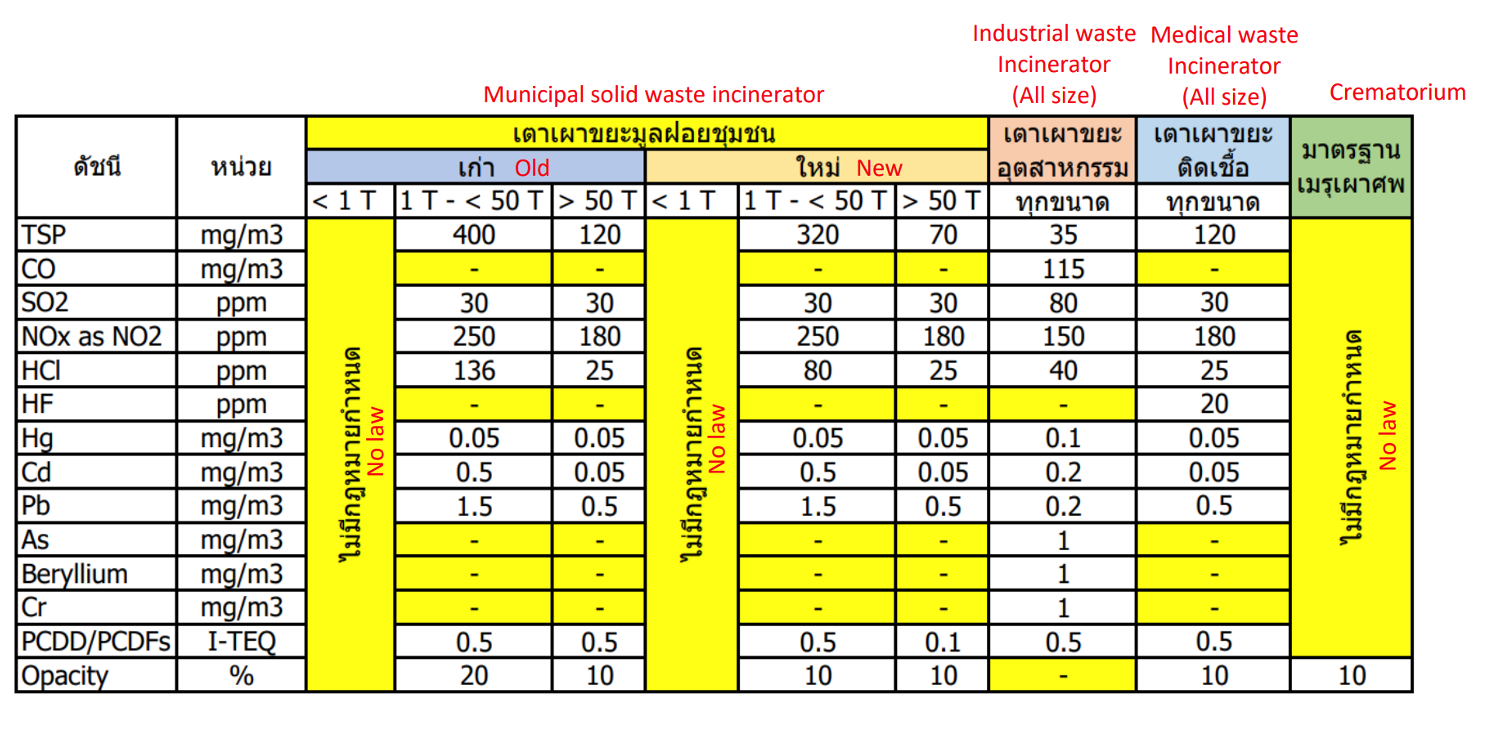
Standard of air pollution control from various types of incinerators
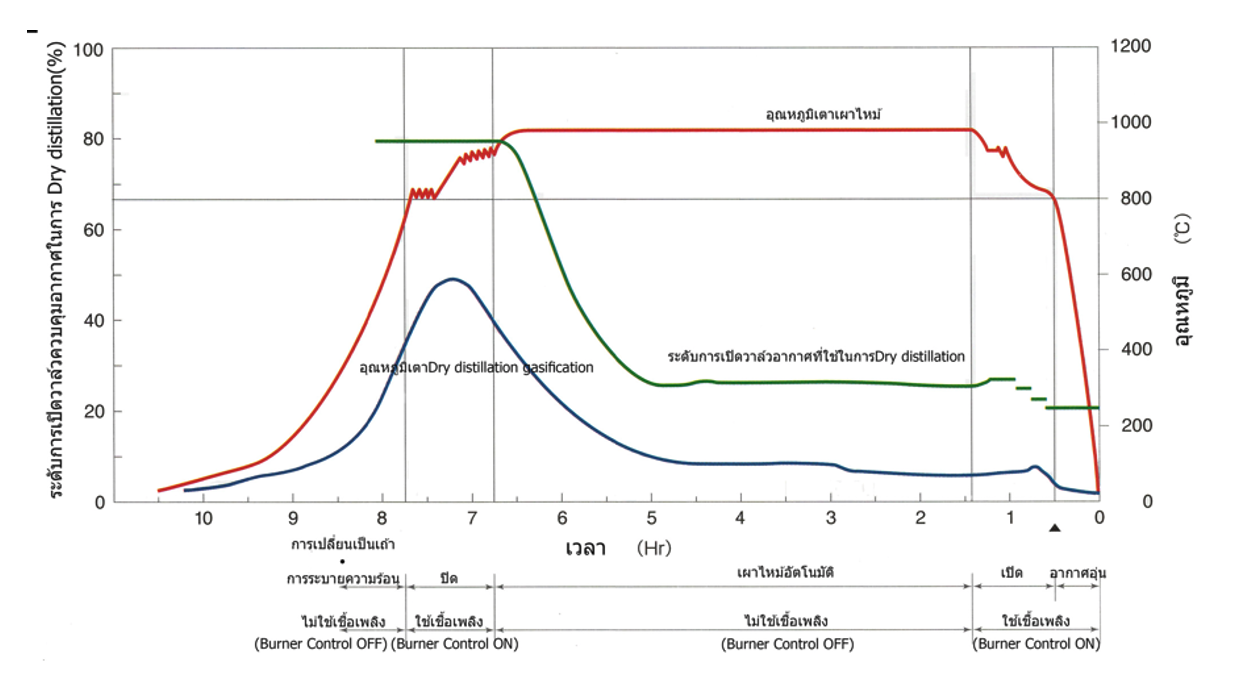
General incineration system
Difficult Operation
Continuous feeding pattern, analog, and dangerous
Negative impact to environment
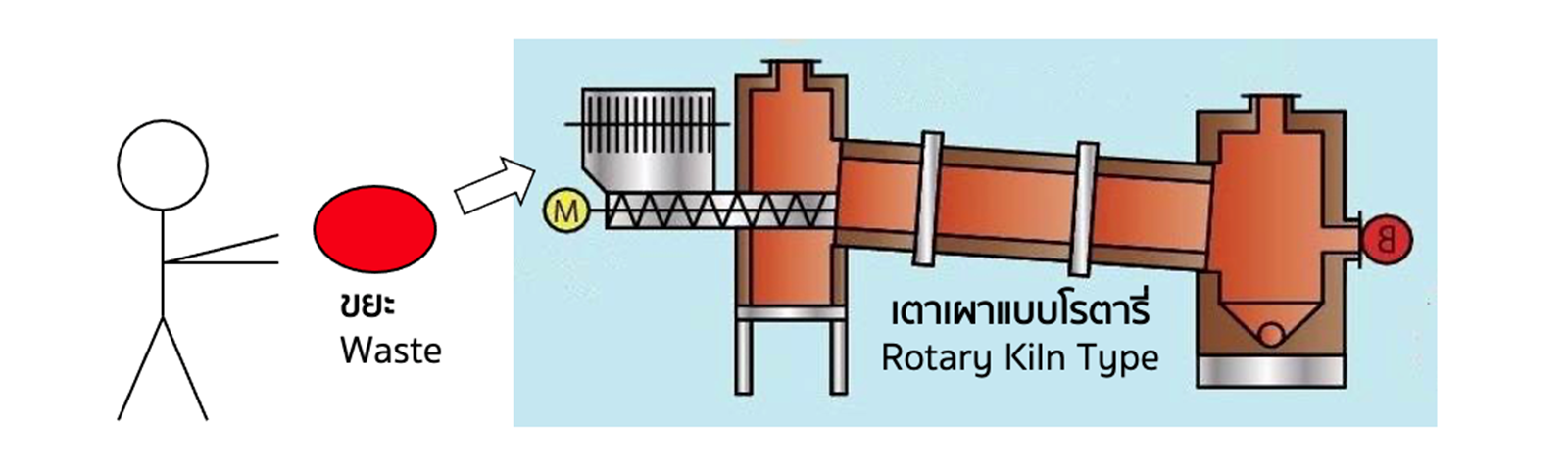
High operation cost
High maintenance cost
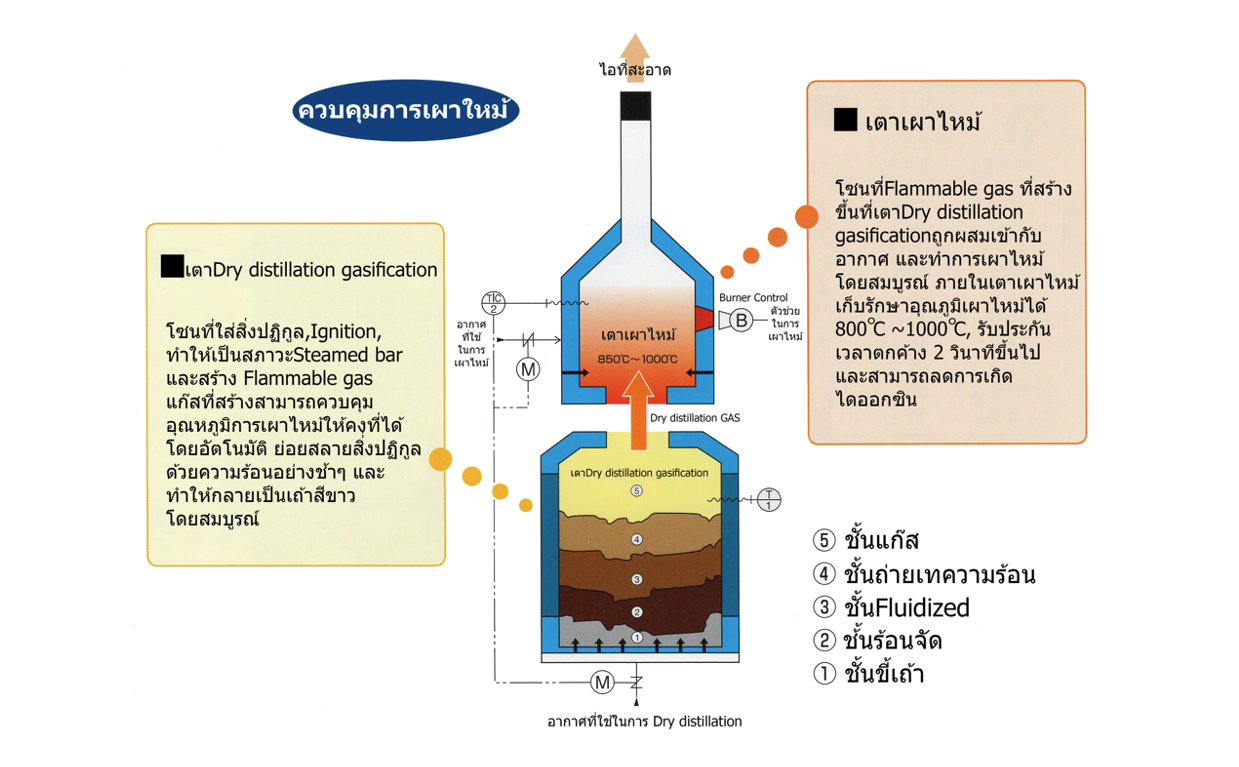
Gasification technology
Temperature for gas modification helps prevention of reverse gas into incinerator (patent). Gas transformation is performed via structure and control.
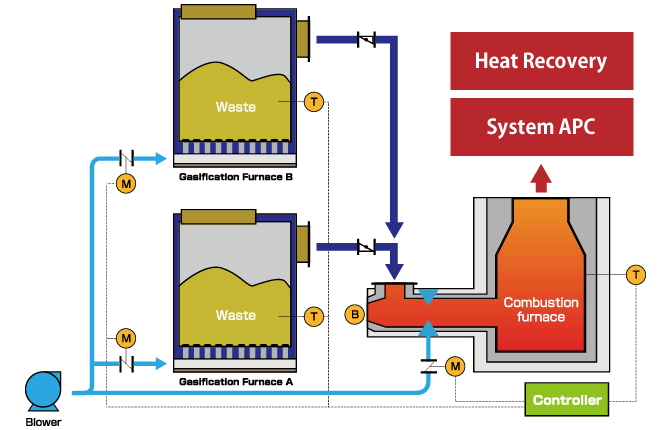
KINSEI gasification combustion system is composed of 2-melting bach, and combustion container. Wastes are transferred into melting container as gas A via feeding system repeatedly. Melting A container is fulfilled after fully charge, then gas is modified with temperature control and automatic combustion. During the process, wastes are transformed as gas B. Next step is to release hot air after temperature of gas A is decreased, then staff releases ashes and clean the machine one (1) time. This is one (1) cycle of KINSEI gasification system which can continuously operate for gas medication with switching of two (2) incinerators.